4640 Jane Street, Suite 203
Toronto, Ontario, Canada
(416) 663-9649 


  Ask The Doctor / Contact
  Resources/Links


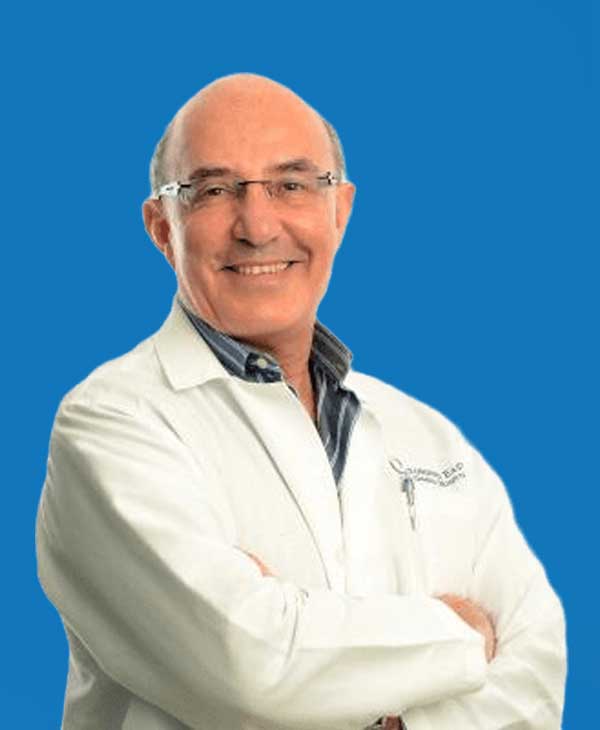
Dr. Robert Steven Backstein, MD, FRCS(C) is a fully qualified plastic and cosmetic surgeon who holds a Fellowship in the Royal College of Surgeons of Canada. He graduated and completed his plastic surgery residency training at the University of Toronto Medical School, and has been recognized by multiple scientific publications in major medical journals. Currently on staff at Humber River Memorial Hospital, Toronto Ontario, Dr. Backstein performs all surgery in a hospital setting, with the option for a private clinic setting available as well.

Please scroll page down to read Dr.Backstein's articles on cosmetic surgery procedures.


Tummy Tuck or Liposuction - Which Cosmetic Surgery Is Right For Me?

A common misconception amongst patients considering cosmetic surgery of the abdominal area is that the
choice exists to have either a tummy tuck or liposuction and that either of these two procedures will
produce similar results. In most cases, a patient is a far better candidate for either a tummy tuck or
liposuction and the procedures are not interchangeable. The decision as to which plastic surgery procedure is best must be made in conjunction with a qualified plastic surgeon but the following is a general guideline: Typically, patients whose abdominal area has loose excess skin, or significant stretch marks will need a tummy tuck and will not benefit from liposuction alone. This is because liposuction is a procedure that only removes
fat. Skin is esentially unaffected. Therefore if there is substantial loose skin or stretch marks to start with,
liposuction will not remove any of the extra skin or any of the stretch mark-bearing skin. Furthermore,
liposuction in these circumstances can actually worsen the problem by removing the "foundation" on which
the skin rests, i.e. the underlying fat thereby leaving even looser skin than the patient started with.
Liposuction to the abdominal area is more appropriate in cases of younger patients with firm, taut
abdominal skin whose main problem is extra fat. In these cases, skin reliably shrinks over the liposucked
area and a great cosmetic result can be obtained. Remember that this is only a guideline. The ultimate
decision as to which procedure(s) is best for you should be made during a private consultation with a
qualified surgeon.


Who is a Candidate for a Tummy Tuck?

A tummy tuck can benefit individuals with the following features of the abdominal area:

(1) excessive, loose, sagging skin
(2) stretch marks, such as after pregnancy
(3) excess fat on the abdomen
(4) a rounded tummy that would benefit from flattening


How is a Tummy Tuck Done?

A tummy tuck involves multiple surgical steps, each designed to enhance the cosmetic appearance and
feel of your abdominal area.
The tummy tuck starts by making an incision low down on the abdominal wall. Dr. Backstein places this
incision as low down as possible so that it is generally not detectable in a bathing suit or a bikini.
Depending on your body structure, fully hiding the incision scar may not be feasible.
Following the initial incision, a tummy tuck will involve plication (firm tightening) of the muscle layer,
excision and removal of as much excess skin and fat as possible, and placement of the umbilicus (belly
button) into an anatomically pleasing location on the abdominal wall. Dr. Backstein includes liposuction of
the upper abdominal area and love handles as part of the tummy tuck procedure. 


Tummy Tuck Cosmetic Surgery Scars.

There are two scars that are left by a tummy tuck. These are a horizontal scar placed low down above the
pubic area and a circular scar carefully placed around the belly button.
Both of these scars are absolutely needed if a tummy tuck is to be done properly and effectively. Any
procedure that attempts to avoid these scars will
always
compromise the result of the surgery in terms of
tightening, flattening, and overall abdominal beauty.
Scars in general are dynamic. This means that scars go through phases during which the visibility of the
scar changes from more to less. During the first two months after a tummy tuck or liposuction, scars will
usually have a certain amount of redness to them. This is called the inflammatory phase of wound healing.
Following this, for up to a full year, the scars will fade more and more.
It is important to note that healing of surgical incisions is very much an individual trait much like hair colour
or skin tone. People will heal incisions and form scars differently even when undergoing the exact same
surgery done by the same surgeon. As a rule, patients are so thrilled and excited by the dramatic
flattening of their abdomens and the psychological lift that this provides that tummy tuck scars are quickly
overlooked and ignored.


Tummy Tuck Recovery.

How Much Pain Will I Have?

Following a tummy tuck, patients describe a major feeling of tightness around the abdomen. The
discomfort is described as an intense muscle ache similar to the feeling after an aggressive abdominal
workout. Dr. Backstein feels that the best tummy tucks will cause a certain amount of post operative
discomfort. This is related to the extent of tightening that the surgeon has achieved. If a tummy tuck
doesn't hurt at all, the abdomen was likely not tightened adequately.
Swelling and bruising is always seen zzz after a tummy tuck or liposuction. Dr. Backstein always provides
supplemental liposuction to the upper abdominal area and love handles and bruising will be seen in these
areas.

Do I Need To Stay Overnight?

Most patients are able to leave the hospital on the evening of the surgical day. Arrangements can always
be made for patients to stay overnight if so desired. Although straining, heavy lifting and bending should
be avoided, tummy tuck patients must start minimal walking and leg exercises the day of the surgery. Lying
in bed for hours at a time is dangerous and must be avoided to minimize the risk of blood clots. When
going to sleep, a couple of pillows under the knees and behind the head will act to ease the tension on the
surgical incision and will help relieve discomfort.

When Can I Return To Work?

Patients with jobs that require significant physical activity including bending, lifting, or quick movement will
need about 4 weeks off before being able to return to full duties comfortably.
Those patients with jobs not demanding physical activity can return to work after 2 weeks.

When Can I Work Out?

Light work outs involving exercises that do not strain the surgical incision or the abdominal muscles can
begin at 2-3 weeks. This includes brisk walking or stationary bike riding.
Heavier work outs including abdominal crunches, sit-ups and running should not be attempted for about 1
month.


Do I Need to Wear a Special Garment?

Yes, tummy tuck patients should wear a compressive corset provided by Dr. Backstein for the first 3-4
weeks post plastic surgery.


Complications Associated with Tummy Tucks.

Significant complications following a tummy tuck are rare. This is very much related to the fact that a
tummy tuck is a superficial cosmetic surgery focusing on the skin and fat and upper muscle layers and not involving
major or vital organs.
All potential tummy tuck complications will be reviewed with you in detail by Dr. Backstein during your initial
consultation. These include:

  • anesthesia side effects and complications
  • infections
  • post-operative bleeding
  • incision separation
  • blood clots
  • slow healing areas


Tummy Tuck: The Only Cure For Stretch Marks.

One thing is abundantly clear about stretch marks and that is that absolutely no cream or topical
ointments exist to remove them. Stretch marks are scars that occur within the substance of the skin when it
is exposed to excessive stretching or shearing force. The abdominal area develops stretch marks during
pregnancy due to the stretching of the skin by the growing fetus in the womb.
Just as no cream exists to erase scars on the skin, none exists to eliminate stretch marks either although
there are many products on the market that claim to do so.
A tummy tuck will remove about 90% of stretch marks from the abdominal wall. As a rule of thumb, all the
stretch marks below the level of the belly button will be removed with the large piece of skin and fat that is
discarded during the tummy tuck surgery. Moreover, the stretch marks that are above the belly button get
pulled far down on the abdomen, just above the pubic area as part of the tummy tuck procedure. This
means that about 90% of your stretch marks are removed completely and the rest shift to a much less
visible area. It truly is fair to say that tummy tuck surgery is the only cure for abdominal stretch marks.


The Effects of Pregnancy On Tummy Tuck Surgery.

It is all too clear that pregnancy induces unwanted changes in the abdominal area that often lead people
to seeking surgical improvement. These pregnancy-induced changes include general weight gain,
looseness and laxity of abdominal skin, and of course, stretch marks.
A tummy tuck operation is the very best surgical procedure to dramatically improve all of the above
mentioned changes of the abdominal region. Unfortunately, much of the improvement achieved through a
tummy tuck can, at least in part, be diminished by the effects of subsequent pregnancy. It is important to
remember that our bodies are dynamic and constantly changing. The beneficial effects of tummy tuck
surgery are not "carved in stone", but need to be maintained. Pregnancy after a tummy tuck will lead to
generalized weight gain, and stretching and distension of the abdominal wall as the baby grows in the
womb. This will cause some degree of skin laxity and stretch marks similar to that present prior to the
tummy tuck surgery.  Your tummy area will,however, still look better than it would have had you never
undergone tummy tuck surgery.


Exercise and Diet: Maintaining The Results of Your Cosmetic Surgery.

The human body is dynamic and always in a state of change. No surgical procedure exists to reshape,
recontour or tighten a body region that is absolutely permanent. The results of a tummy tuck and
liposuction need to be maintained. A healthy lifestyle must be followed after surgery to maintain the
dramatic flattening and tightness of the abdominal region that a tummy tuck or liposuction provides. Poor
diet and sedentary lifestyle will, over time cause weight gain and skin stretching after tummy tuck surgery.
Happily, the vast majority of patients find that after a tummy tuck or liposuction, they feel so good both
mentally and physically that excercise and healthy eating become a welcome part of their post surgical
lifestyle.


Who is a Candidate for Liposuction?

Liposuction is intended to treat localized fatty deposits that are out of proportion with your body as a
whole. It should not be regarded as a weight loss technique but rather a body contouring procedure to
remove fat collections that are resistant to exercise and dieting. Liposuction can be performed on many
different body areas from the face to the arms, abdominal area, and legs. Liposuction is also an excellent
approach to treating gynecomastia, a condition in which a man develops abnormally large breasts.
Although it can be performed in all age groups, liposuction results are best in younger individuals with firm
and elastic skin. In cases with good skin elasticity, the overlying skin will not become excessive or loose
once liposuction has been performed. In patients whose skin has lost elasticity, other procedures such as
a tummy tuck or thigh lift may be more appropriate.


How Is Liposuction Performed?

Liposuction can be performed either under local or general anesthesia. It is almost always a day surgery
with no stay required.
Typically, liposuction involves multiple small incisions which allow Dr. Backstein to first infiltrate each area
with solution containing local anesthesia and a vasoconstrictor (to decrease bruising) and then to aspirate
unwanted fatty deposits using a liposuction cannula. The duration of the procedure depends on the
amount of fat that requires removal.


Liposuction Recovery.

How Much Pain Will I Have?

Liposuction is typically not overly painful. Areas treated experience a dull ache that fades over the first 7-
10 days.

Do I Need To Stay Overnight?

Very few patients need to stay overnight unless they are from out of town or have no assistance at home.

When Can I Return To Work?

Patients can return to jobs requiring minimal physical activity after 3-7 days. Patients with more rigorous
jobs may need 2 weeks off prior to resuming full duties

When Can I Work Out?

Work outs can begin as soon as you feel able and comfortable. This is usually after the first week following
liposuction surgery.


Do I Need to Wear a Special Garment?

Yes, liposuction patients should wear a compressive garment provided by Dr. Backstein for the first 3-4
weeks post surgery.


Complications Associated With Liposuction Plastic Surgery

Unfortunately, liposuction has received somewhat of a bad rap in the media. When done properly by a
qualified plastic surgeon, liposuction should be a safe procedure.
Most of the "horror stories" that one hears about through the media are easily explained. These cases can
usually be attributed to unqualified medical practioners trying there hand at liposuction or cases in which
overzealous surgeons remove too much fat in a single liposuction procedure.
Complications associated with liposuction include:

  • bruising
  • swelling
  • blood clots
  • irregularities in contour (1-5 of every 100 patients will need a minor touch up)


During your consultation, Dr. Backstein will review the complications associated with liposuction in great
detail. When done correctly, liposuction is a safe procedure with excellent body contouring results.


Is Liposuction Dangerous?

Liposuction has been at the centre of several high profile cases in which patients have died or had terrible cosmetic outcomes. In my opinion, for the major reason for this is that liposuction is a rather unique cosmetic surgery procedure in that the liposuction machine does a great deal of the work involved with the liposuction procedure. Classic cosmetic surgery skills and techniques such as surgical dissection, meticulous incisions and suturing (stitching) do not play a large role in a liposuction procedure. Because of this, many untrained (ie. no Royal College of Canada certification in Surgery) doctors have developed unfounded confidence to purchase liposuction equipment and perform liposuction procedures in their offices.There are several doctors in Toronto and the GTA that have large practices in cosmetic surgery but are not qualified surgeons. Always remember to ask your doctor for his or her qualifications and make sure they are board certified in surgery.


Can Liposuction Remove Cellulite?


Unfortunately, the answer is no. Contrary to popular belief, liposuction is not an effective treatment for
cellulite. Cellulite is a dimpled appearance of the skin similar to the texture of an orange peel that is a
result of fibrous attachiments of the underside of the skin to the underlying muscles. Cellulite is not only
found in people that are over weight but is also seen in fit and slim individuals.
Because cellulite is not a result of excess body fat, liposuction is not effective in treating it. In fact there is
no proved treatment for cellulite. All of the creams and topical ointments advertised on television are of
little to no use for treating cellulite. A more recent treatment called endermology attempts to treat cellulite
using a roller/suction device but the results are highly questionable and likely not significant.
In short, we don't have a very good treatment for the problem of cellulite. Liposuction should not be
advertised to patients as a means to treat cellulite because it will not work.

Other Liposuction Information care of the US Food And Drug Adminstration (FDA):

What is Liposuction?

Liposuction is a surgical procedure intended to remove fat deposits and shape the body. Fat is removed from under the skin with the use of a vacuum-suction canula (a hollow pen-like instrument) or using an ultrasonic probe that emulfsies (breaks up into small pieces) the fat and then removes it with suction.

Persons with localized fat may decide to have liposuction to remove fat from that area. Liposuction is a procedure for shaping the body and is not recommended for weight loss.

Liposuction may be performed on the abdomen, hips, thighs, calves, arms, buttocks, back, neck, or face. A liposuction procedure may include more than one site, for instance, the abdomen, back, and thighs all on the same day.

Liposuction is also used to reduce breast size in men with large breasts (gynecomastia) or to remove fat tumors (lipomas) but it is most commonly used for cosmetic body shaping.

Who Performs Liposuction & Where is Liposuction Performed?

Many liposuction surgeries are performed by plastic surgeons or by dermatologists. Any licensed physician may perform liposuction. While some physicians' professional societies may recommend training before performing liposuction surgery, no standardized training is required. As a result, there will be differences in experience and training in physicians performing liposuction. You can ask your physician to tell you whether he or she has had specialized training to do liposuction and whether they have successfully done liposuction before. But remember, even the best screened patients under the care of the best trained and experienced physicians may experience complications as a result of liposuction.

Liposuction may be performed in a

  • doctor's office.
  • surgical center.
  • hospital.

Because liposuction is a surgical procedure, it is important that it be performed in a clean environment. Emergencies may arise during any surgery and access to emergency medical equipment and/or a nearby hospital emergency room is important. These are things that you should ask your physician before the liposuction.

How can I find the right doctor for me?

The FDA cannot recommend physicians to you. However, there are some things that you may consider:

  • Ask questions. If you decide to take the step to talk to a doctor about liposuction, be sure that you ask questions and understand what happens during the liposuction procedure and what you can expect. Your physician should also answer any and all questions you have about potential problems with liposuction. Remember that you are purchasing a service when you pay a physician to do a liposuction procedure and you shouldn't feel embarrassed to ask hard questions about the procedure or about the physician's experience in performing liposuction.
  • Advertising. Be wary of advertisements that say or imply that you will have a perfect appearance after liposuction. Remember that advertisements are meant to sell you a product or service, not to inform you of all the potential problems with that service.
  • Don't base your decision simply on cost and remember that you don't have to settle for the first doctor or procedure you investigate. The decision you make about liposuction surgery is an important one but not one that you must make right away.
  • Read. You should learn as much as you can about liposuction. It is important for you to read the patient information that your doctor provides.
  • Don't be pressured. Do not feel that because you speak to a physician about this procedure that you must go through with it. Take your time to decide whether liposuction is right for you and whether you are willing to take the risks of undergoing liposuction for its benefits.

When is Liposuction not for me?

You are probably NOT a good candidate for liposuction surgery if:

  • You are not a risk taker. Certain complications are unavoidable in a percentage of patients, and there are no long-term data available for current procedures.
  • Cost is an issue. Most medical insurance will not pay for cosmetic liposuction. The cost for liposuction may be significant.
  • You are overweight or obese and trying to lose weight. Liposuction is a procedure for shaping the body and is not recommended for weight loss.
  • You have a disease or are on medication that affects wound healing. These include current infection or past medical history of bleeding, emboli, thrombophlebitis, edema, or if you are taking medication(s) that may affect your wound healing or blood clotting (such as aspirin, nonsteroidal anti-inflammatory agents, warfarin, heparin, or other anticoagulants) or are taking medication that may interact with the drugs used during liposuction.
  • Your skin elasticity is not adequate. Your doctor will evaluate the skin at the site where you are considering liposuction to determine if skin is elastic enough to shrink after liposuction. If it is not, it will be baggy after liposuction.

What are the Alternatives to Liposuction?


Liposuction is usually cosmetic surgery so is not considered medically necessary (there are rare exceptions to this). Because of this, it is you who will decide whether or not you will undergo this procedure. You may decide that liposuction is not right for you. You may make this decision without consulting a physician or after consulting with a physician. A consultation with a physician does not obligate you to have liposuction if you decide that you do not want to.


What are the Risks or Complications Associated withLiposuction?

Risks

Most patients are pleased with the outcome of their liposuction surgery. However, like any other medical procedure, there are risks involved. That's why it is important for you to understand the limitations and possible complications of liposuction surgery. Before you have liposuction, you should be aware of these risks and should weigh the risks and benefits based on your own personal value system. Try to avoid being influenced by friends that have had the procedure or doctors encouraging you to do so. Decide for yourself whether you are willing to take the risks involved in liposuction.

Take your time deciding if you are willing to accept the risks inherent in liposuction. Because it is usually a cosmetic procedure, and not medically necessary, there is no reason to rush. Gather as much information as you can so that you make an informed decision about whether liposuction is right for you. Don't believe that complications "only happen to other people." It is important for you to understand what the risks are and decide if you are willing to accept the possibility that it might happen to you.

Complications

  • Infections. Infections may happen after any surgery and may occur after liposuction. Some physicians prescribe an antibiotic to all patients undergoing liposuction but other physicians do not. It is important to keep the wound(s) clean but even if you do, infections may sometimes occur from the surgery. Sometimes, infections may be serious or life threatening such as in cases of necrotizing fasciitis (bacteria eat away at the tissue) or with toxic shock syndrome, a serious, sometimes fatal infection caused by a bacteria, that is associated with surgery (you may have heard of toxic shock syndrome occurring in women using tampons, also).
  • Embolism. Embolism may occur when fat is loosened and enters the blood through blood vessels ruptured (broken) during liposuction. Pieces of fat get trapped in the blood vessels, gather in the lungs, or travel to the brain. The signs of pulmonary emboli (fat clots in the lungs) may be shortness of breath or difficulty breathing. If you have the signs or symptoms of fat emboli after liposuction, it is important for you to seek emergency medical care at once. Fat emboli may cause permanent disability or, in some cases, be fatal.
  • Visceral Perforations (puncture wounds in the organs). During liposuction, the physician is unable to see where the canula or probe is. It is possible to puncture or damage internal organs during liposuction. This may happen, for instance, if the intestines are punctured during abdominal liposuction. When organs are damaged, surgery may be required to repair them. Visceral perforations may also be fatal.
  • Seroma. After liposuction, there may be a pooling of serum, the straw colored liquid from your blood, in areas where tissue has been removed.
  • Nerve Compression and Changes in Sensation. You may experience "paresthesias" which is an altered sensation at the site of the liposuction. This may either be in the form of an increased sensitivity (pain) in the area, or the loss of any feeling (numbness) in the area. If these changes in sensation persist for a long period of time (weeks or months) you should inform your physician. In some cases, these changes in sensation may be permanent.
  • Swelling. Swelling or edema may occur after liposuction. In some cases, swelling may persist for weeks or months after liposuction.
  • Skin Necrosis (skin death). The skin above the liposuction site may become necrotic or "die." When this happens, skin may change color and be sloughed (fall) off. Large areas of skin necrosis may become infected with bacteria or microorganisms.
  • Fluid Imbalance. Fat tissue, which contains a lot of liquid, is removed during liposuction. Also, physicians may inject large amounts of fluids during liposuction. This may result in a fluid imbalance. While you are in the physician's office, surgical center or hospital, the staff will be watching you for signs of fluid imbalance. However, this may happen after you go home and can result in serious conditions such as heart problems, excess fluid collecting in the lungs, or kidney problems as your kidneys try to maintain fluid balance.
  • Toxicity from Anesthesia. Lidocaine, a drug that numbs the skin, is frequently used as a local anesthetic during liposuction. You may have had a similar drug, novocaine, to numb your mouth at the dentist. Large volumes of liquid with lidocaine may be injected during liposuction. This may result in very high doses of lidocaine. The signs of this are lightheadedness, restlessness, drowsiness, tinnitis (a ringing in the ears), slurred speech, metallic taste in the mouth, numbness of the lips and tongue, shivering, muscle twitching and convulsions. Lidocaine toxicity may cause the heart to stop. Of course, this can be fatal. In general, any type of anesthesia may cause complications and is always considered a risk during any surgery.
  • Fatalities Related to Liposuction. There are numerous reports of deaths related to the liposuction procedure. Although it is difficult to be sure how often death from liposuction happens, there are several studies that estimate how often patients undergoing liposuction die during the procedure or as a result of it. None of the studies is perfect so the results are just estimates.

    Some of the studies indicate that the risk of death due to liposuction is as low as 3 deaths for every 100,000 liposuction operations performed. However, other studies indicate that the risk of death is between 20 and 100 deaths per 100,000 liposuction procedures. One study suggests that the death rate is higher in liposuction surgeries in which other surgical procedures are also performed at the same time. In order to understand the size of the risk, one paper compares the deaths from liposuction to that for deaths from car accidents (16 per 100,000). It is important to remember that liposuction is a surgical procedure and that there may be serious complications, including death.

What can I Expect Before, During, and After Liposuction?

Before...

Before you undergo liposuction, you should undergo a complete physical exam so that your doctor can determine if you are an acceptable candidate for liposuction. It is important for you to discuss any medical conditions that you have and to tell your doctor about any medications that you are taking including any herbal or other non-prescription ones. If your doctor decides that you can have liposuction, discuss the procedure thoroughly with him or her before deciding if you want to go through with the procedure. Just because a physician says that you may have liposuction does not mean that you must decide to have liposuction. You may still change your mind even after discussing the procedure with a physician.

Your physician should be able to answer any questions that you have about liposuction including questions about what to expect during and after liposuction and the complications or problems that sometimes occur with liposuction. Some physicians will provide written information about liposuction. You may also take information from this website to your appointment to discuss with your physician.

You may want to have someone drive you to your appointment for liposuction. You may be tired or uncomfortable after liposuction and unable to drive yourself home. Discuss this with your physician before the day of your procedure.

Your physician may prescribe an antibiotic drug for you to take before and after the surgery. This is to prevent infections.


During…

On the day of the liposuction surgery, the physician will mark your body with a pen to indicate where the fat is to be removed. Then you will receive anesthesia, that is medicine that prevents you from feeling pain. Some physicians use only local anesthesia, that is, anesthesia that they inject with a syringe or pump into the area where they will do the liposuction. The anesthesia medicine is injected along with a lot of fluid, usually buffered salt water and epinephrine, a drug to reduce bleeding. Large volumes of liquid may be injected, until the skin is very firm. If your physician uses only this kind of local anesthesia, also sometimes called tumescent anesthesia, then you will be awake during the procedure. Other physicians use local anesthesia and a sedative that can be taken by mouth or injected from a syringe. Still others prefer to use general anesthesia, that is to use anesthesia that will put you to sleep during the procedure. This is usually done in a hospital.

Once the anesthesia is working, the physician will make an incision (cut) in the area where the liposuction will be performed. A canula, a hollow tube that is about the size and shape of a skinny pen, will be inserted into the incision. The physician moves this canula back and forth to suction out the fat. The fat, and liquid that has been injected, are collected in a flask. The physician will monitor the amount of fluid and fat that are removed. Because you will be losing liquid and fat from your body, it may be necessary to replace some of that fluid. This is done with an intravenous (i.v.) line for the replacement of fluid.

After…

Depending upon the amount of fat removed and the location of the surgery (doctor's office, surgical center, hospital), you may leave the doctor's office soon after the surgery or you may spend the night in the surgical center or hospital. Ask your doctor how long it will be before you should be able to return to your normal level of activity or if you will need to miss work after liposuction.

The cuts where the doctor inserted the canula may be leaky or drain fluids for several days. In some cases, the doctor may insert a drainage tube to drain fluid away from the wound.

You will wear special tight garments to keep your skin compressed after the liposuction procedure. Your doctor will tell you how long to wear these, usually for weeks. Some doctors provide these garments but others will tell you where to purchase them before your surgery.

Your doctor will also probably give you some after-surgery instructions. This will include information about wearing compression garments, taking an antibiotic if that has been prescribed, and the level of activity that is safe for you after your liposuction procedure. You should also have information about signs of problems that you should be aware of, for instance the signs of infections or other problems that you need to know about.

When the anesthesia wears off, you may have some pain. If the pain is extreme or of a long duration, you should contact your physician. You will also have some swelling after the surgery. In some cases, this swelling will remain for weeks or even months. If you have pain and swelling, this may be the sign of infection and you should contact your physician.

You will have scars, usually small, where the physician cuts your skin and inserts the canula to remove fat tissue.

Will I look the way I want after liposuction?

While medical complications are important, the reason that people have liposuction surgery is for cosmetic reasons. The cosmetic effect after liposuction may be very good and many patients report being satisfied. However, it is possible that the cosmetic effect will not be what you expected. In other words, your appearance after liposuction may not be what you expected or wanted. Some physicians counsel their patients that reasonable expectations are important. It may be difficult to have reasonable expectations after reading advertisements and looking at pictures of women and men who have had liposuction.Some cosmetic shortcomings after liposuction include:

  • There may be scars at the site where the doctor made the cut to insert the liposuction canula. These scars are usually small and fade with time but in some people, scars may be larger or more prominent.
  • The liposuction site may have a wavy or bumpy appearance after liposuction.
  • Liposuction results may not be permanent. If you gain weight after liposuction surgery, the fat may return to sites where you had liposuction or to other sites.
  • Results may be less dramatic than what you were expecting and this can be disappointing


Factors To Consider With Breast Implant Surgery.

There are several factors to think about prior to undergoing breast augmentation. These are: the type of implant to be used (saline or silicone), the incision, the plane of the implant (above or below the chest muscle) and of course the size of the implant. A relatively new issue that has arisen is the choice a woman has in Canada to use silicone or saline (salt water) implants. Silicone implants, prior to the 90's, were the implant most often used. In the early 90's controversy began to arise about the safety of silicone implants. There were links made between silicone implants and what we call connective tissue disease such as lupus, scleroderma, pain syndromes etc. The situation deteriorated to the point that silicone implants were essentially banned and saline became the only choice. In the last few years, silicone implants have made a big comeback here in Canada. The reason that this has been allowed to happen is that the excellent scientific research that was done to investigate the safety of silicone implants has found that there is NO relationship between silicone and connective tissue diseases. This is not to say that women who were complaining of being sick were not really sick, but that there was no cause and effect relationship between their silicone implants and their symptoms. What the studies found in essence was that the incidence of connective tissue disease was the same in groups of women who had and who did not have silicone implants. Unfortunately, it is human nature (and very reasonable) for a young woman who was previously healthy and then went on to develop disease to associate her new medical condition with silicone implants. What we know now is that this same woman was destined to fall into the larger group of women overall who are destined to develop the disease whether or not she had implants. Having said all of this, I by no means encourage or "push" silicone implants on my patients. I do not work for the company or get paid any royalties. In fact, I would encourage any woman struggling with the idea of putting silicone implants into her body to avoid them and use saline. Cosmetic surgery should be a positive, uplifting experience. A woman who will continuously worry about her silicone implants is still best off going with saline. The other side of the coin is that almost all plastic surgeons would agree that silicone implants are a better product in that they look and feel more like a natural breast. They are a better replica of the human breast and give a better esthetic result. At the end of the day, a woman along with her family must take all of this information into account and choose the implant type that is best for her.

Other Breast Implant Information care of the US Food And Drug Adminstration (FDA):

Breast Implants Home Page

Welcome to the FDA website on breast implants.

FDA’s mission is to assure that the products that we approve are safe and effective, and that includes breast implants. Breast implants are medical devices that typically consist of a silicone elastomer shell filled with saline or silicone gel. They are intended for women who are seeking breast augmentation (cosmetic) or breast reconstruction.

We have provided information on this website to help you make an informed decision as to whether or not to get breast implants. There is information related to both approved breast implants and investigational (under study for safety and effectiveness) breast implants. The information provided on this website is designed to support, not replace, the relationship that exists between you and your physician.

Silicone Gel-Filled Breast Implant Timeline

  • Breast implants were preamendments devices. With the passage of the Medical Device Amendments to the Federal Food, Drug, and Cosmetic Act in 1976, these devices were reviewed through the premarket notification (510(k)) process. In 1988, all breast implants were classified as class III devices (premarket approval). However, in accordance with the law, they continued to be reviewed through the 510(k) process until FDA issued a rule calling for submission of premarket approval applications (PMAs).
     
  • April 1991: FDA issued a final rule calling for submission of PMAs for silicone gel-filled breast implants.
     
  • November 1991: A Panel meeting was held to discuss several silicone gel-filled breast implant PMAs. A voluntary moratorium was issued after the November 1991 Panel meeting, requesting that industry cease marketing of silicone-gel filled breast implants while FDA reviewed new safety and effectiveness information that had been submitted. In February 1992, a second Panel meeting was held to discuss that new information.
     
  • FDA concluded that none of the PMAs submitted at that time contained sufficient data to support approval. However, FDA found that the continued availability of the devices for patients undergoing breast reconstruction or replacement of existing silicone gel-filled breast implants (revision) was necessary for the public health. FDA determined that, to address this public health need, access to silicone gel-filled breast implants for reconstruction and revision patients should continue to be available through Adjunct Studies. FDA denied approval of the devices for augmentation. Accordingly, silicone gel-filled breast were no longer marketed in the U.S. and were, thus, considered to be investigational devices.
     
  • July 1992: FDA approved Mentor's adjunct study protocol for its silicone gel-filled breast implants for reconstruction and revision patients only.
     
  • March 1998: FDA approved Allergan’s (formerly Inamed) adjunct study protocol for its silicone gel-filled breast implants for reconstruction and revision patients only.
     
  • June 1998: FDA approved Allergan’s investigational device exemption (IDE) study (i.e., Core Study) for its silicone gel-filled breast implants for a limited number of augmentation, reconstruction, and revision patients at a limited number of sites. This is the Core Study for P020056.
     
  • August 2000: FDA approved Mentor's IDE study (i.e., Core Study) for its silicone gel-filled breast implants for a limited number of augmentation, reconstruction, and revision patients at a limited number of sites. This is the Core Study for P0300053.
     
  • December 2002: Allergan submitted a PMA (P020056) for its silicone gel-filled breast implants.
     
  • October 2003: FDA convened a Panel meeting to review Allergan’s PMA (P020056). In a 9 to 6 vote, the Panel recommended approvable with conditions.
     
  • December 2003: Mentor submitted a PMA (P030053) for its silicone gel-filled breast implants.
     
  • April 2005: FDA convened a Panel meeting to review Allergan’s updated PMA and Mentor’s PMA. In a 5 to 4 vote, the Panel recommended not approvable for Allergan's PMA and, in a 7 to 2 vote, recommended approvable with conditions for Mentor's PMA.
     
  • July 2005: FDA issued an approvable letter to Mentor for its silicone gel-filled breast implants.
     
  • September 2005: FDA issued an approvable letter to Allergan for its silicone gel-filled breast implants.
     
  • November 2006: FDA issued letters to Mentor and Allergan approving their PMAs for silicone gel-filled breast implants.

FDA Approves Silicone Gel-Filled Breast Implants
After In-Depth Evaluation
Agency Requiring 10 Years of Patient Follow-Up

After rigorous scientific review, the U.S. Food and Drug Administration (FDA) today approved the marketing of silicone gel-filled breast implants made by two companies for breast reconstruction in women of all ages and breast augmentation in women ages 22 and older.  The products are manufactured by Allergan Corp. (formerly Inamed Corp.), Irvine, Calif., and Mentor Corp., Santa Barbara, Calif.

“FDA has reviewed an extensive amount of data from clinical trials of women studied for up to four years, as well as a wealth of other information to determine the benefits and risks of these products,” said Daniel Schultz, M.D., Director, Center for Devices and Radiological Health, FDA.  “The extensive body of scientific evidence provides reasonable assurance of the benefits and risks of these devices.  This information is available in the product labeling and will enable women and their physicians to make informed decisions.”

Now that the products have been determined to be safe and effective, FDA will continue to monitor them by requiring each company to conduct a large postapproval study following about 40,000 women for 10 years after receiving breast implants.  FDA often requires postmarket studies to answer important questions that can only be answered once a product is in broader use, such as the incidence of rare adverse events. 

FDA’s decision to approve these implants was based on a thorough review of each company’s clinical (core) and preclinical studies, a review of studies by independent scientific bodies and deliberations of advisory panels of outside experts that heard public comment from hundreds of stakeholders.  In addition, FDA conducted inspections of each company’s manufacturing facilities to determine that they comply with FDA’s Good Manufacturing Practices.  Some of the complications reported in the core studies included hardening of the area around the implant, breast pain, change in nipple sensation, implant rupture and the need for additional surgery.  However, the majority of women in these studies reported being satisfied with their implants. 

In the past decade, a number of independent studies have examined whether silicone gel-filled breast implants are associated with connective tissue disease or cancer.  The studies, including a report by the Institute of Medicine, have concluded there is no convincing evidence that breast implants are associated with either of these diseases.  However, these issues will be addressed further in the postapproval studies conducted by the companies.

“The silicone breast implant is one of the most extensively studied medical devices,” said Schultz.  “We now have a good understanding of what complications can occur and at what rates.  We also know that women who get these devices will probably need to have additional breast implant surgery at least once.  This is valuable information for women who may be considering these products.”

Full information about the risks and benefits of the devices can be found in the package and patient labeling mandated by FDA.  The patient labeling outlines some of the important factors women should consider when deciding whether to get silicone gel-filled breast implants.  Some of these factors are: breast implants are not lifetime devices and a woman will likely need additional surgeries on her breast at least once over her lifetime; many of the changes to a woman’s breast following implantation are irreversible; rupture of a silicone gel-filled breast implant is most often silent, which means that usually neither the woman nor her surgeon will know that her implants have ruptured; and a woman will need regular screening MRI examinations over her lifetime to determine if silent rupture has occurred.  The device labeling states that a woman should have her first MRI three years after her initial implant surgery and then every two years thereafter.  The cost of MRI screening over a woman’s lifetime may exceed the cost of her initial surgery and may not be covered by medical insurance.  The labeling also states that if implant rupture is noted on an MRI, the implant should be removed and replaced, if needed.

FDA approved the silicone gel-filled breast implants with a number of conditions, including requiring each company to: conduct a large postapproval study; continue its core study through 10 years; conduct a focus group study of the patient labeling; continue laboratory studies to further characterize types of device failure; and track each implant in the event, for example, that health professionals and patients need to be notified of updated product information.

The postapproval studies will continue to gather information about the safety and effectiveness of the implants.  Information will be collected about rates of local complications, rates of connective tissue disease and its signs and symptoms, rates of neurological disease and its signs and symptoms, potential effects on offspring of women with breast implants, potential effects on reproduction and lactation, rates of cancer, rates of suicide, potential interference of breast implants with mammography, and MRI compliance and rupture rates. 

The postapproval studies will be closely monitored by FDA.  FDA anticipates that data from the studies will provide important information for patients and physicians, and may lead to improvements in device labeling.


Techniques for  Breast Lifts.

There are two main techniques to lift a sagging breast. These involve using a breast implant to "fill out" the loose skin of a drooping breast or surgical excision of extra breast skin and tissue to create a tighter, more youthful breast form.
The advantage of using a breast implant to lift the breast is that the scarring left from the procedure is relatively minor, and no greater than when standard breast augmentation is performed for breast enlargement. A possible drawback of this technique is that the breast will, of course, become larger in the process of using an implant to lift it. To a certain extent, the degree of lift that is achieved is directly proportional to the size of the implant used. This means that a very sagging breast may need a substantial size implant to achieve significant lift and this, in turn, will also make the breast larger in volume.
If a larger breast is not desired, the second breast lift method can be used. This is in some ways similar to a breast reduction surgery in which specific areas of breast skin and tissue are removed in such a way that when stitched, a lifting effect is created almost like an internal bra. The disadvantage of this technique is that more incisions are required and this translates into more scars left on the breast.
Often a good compromise, is a combination of a smaller implant and a less extensive skin excision done at the same time. This technique will allow the surgeon to achieve excellent breast lift results while not enlarging the breast too much and also not leaving as much scarring as  a skin excision breast lift alone.


Why Choose A  Qualified Cosmetic Plastic Surgeon?


These days, there is a great deal of confusion about who is a cosmetic surgeon.

When cosmetic surgery originated, it was exclusively performed by plastic surgeons. Plastic surgeons are physicians who have completed 5-7 years of additional training in the specialty of Plastic & Reconstructive Surgery. This specialty training is essentially an apprenticeship done under the supervision and guidance of senior plastic surgeons and encompasses many areas of surgery that fall within the realm of plastic surgery. These surgical areas include cancer surgery, burn surgery, trauma, as well as cosmetic surgery.

In recent years , other medical specialties such as ENT surgeons, dermatologists, and even family physicians have begun performing cosmetic surgical procedures. Medical licensing boards in Canada and the United States generally do not prohibit any doctor from performing the surgical procedures of a cosmetic surgeon. This has lead to some confusion on the part of patients as to who is and who is not a certified cosmetic plastic surgeon. Furthermore, many doctors that are not plastic surgeons do not make this clear in their advertisements and marketing tools.

ENT surgeons, also called facial plastic surgeons, are comprehensively trained in facial surgery and are qualified to perform these procedures as well as to deal with any complications encountered.  Other physicians who perform cosmetic surgery procedures may, in fact, not be plastic surgeons or surgeons at all. While complications can arise during or after cosmetic surgery no matter who performs the procedure, a certified cosmetic surgeon has a wealth of surgical training under his or her belt to efficiently deal with surgical complications such as bleeding, and post-operative infections.

It is a patient’s right to know the precise qualifications of any surgeon who advertises him or herself as a cosmetic surgeon. Ask questions about training and background to ensure that your cosmetic surgeon is adequately trained in cosmetic surgery and not a physician who unilaterally decided to become a cosmetic surgeon years after their formal medical training was completed.


Important Links:


Liposuction:


www.plasticsurgery.org

www.liposuction.com

www.lipoinfo.com

www.liposuction.com/lipoinfo/intro.php

www.liposuction.com/lipo_techniques/

www.liposuction.com/safety/

www.liposuction.com/pharmacology/

www.liposuction.com/postopcare/

www.liposuction.com/procedure/

www.liposuction.com/history/

womenshealth.about.com/cs/liposuction/

www.liposuctioninfo.org/

FDA Consumer: The Skinny on Liposuction
http://www.fda.gov/consumer/updates/liposuction082007.html

FDA Consumer article on liposuction
http://www.fda.gov/fdac/features/2000/600_flab.html

FDA website for general consumer information
http://www.fda.gov/default.htm

FDA website for general consumer information on medical devices and radiation-emitting products
http://www.fda.gov/cdrh/index.html

The FDA MedWatch site: safety information on drugs and other medical products
http://www.fda.gov/medwatch/

The Center for Devices and Radiological Health site on reporting problems with medical devices:
http://www.fda.gov/cdrh/mdr.html

MEDLINEPlus Health Information - Fat removal - by suctioning
http://www.nlm.nih.gov/medlineplus/ency/article/002985.htm

MEDLINEPlus Health Information - Liposuction - series: Indications
http://www.nlm.nih.gov/medlineplus/ency/presentations/100185_1.htm

Healthfinder - What is Tumescent Liposuction?
http://www.healthfinder.gov/docs/doc02193.htm